C AT R I N A B O N E S L L C
The connection between Día de los Muertos (Day of the Dead) and Catholicism is profound. The modern holiday represents a beautiful historical syncretism—a harmonious blending of Indigenous Mesoamerican traditions and Spanish Catholic practices that evolved over centuries. The Catholic Connection When Spanish missionaries arrived in Mexico in the 1500s, they introduced traditional Catholic liturgies and holy days. Over time, the pre-Columbian festivals honoring the ancestors were integrated into the established Catholic liturgical calendar, specifically:
All Saints' Day (November 1): Culturally celebrated as Día de los Inocentes, focusing on honoring deceased children and infants.
All Souls' Day (November 2): Celebrated as the primary Día de los Muertos, dedicated to remembering and praying for all adults who have departed this life.
These observances directly reflect the Catholic doctrine of the Communion of Saints. This theological concept teaches that the faithful on Earth, the souls undergoing purification (purgatory), and the saints in Heaven remain eternally interconnected through prayer and spiritual devotion. Indigenous Influence Long before the arrival of Christianity, the Indigenous peoples of Mexico—including the Aztecs, Mayans, and Purépecha—held complex ceremonies honoring their ancestors. The dead were not viewed as completely gone, but rather as members of the community who resided in another realm and could temporarily return. Rather than eliminating these deep-seated cultural rites, the Spanish missionaries adaptively merged them with Catholic rituals. An Aztec festival honoring Mictecacihuatl (the Goddess of the Underworld) that originally spanned an entire summer month was gradually compressed to align perfectly with the November Catholic holy days.
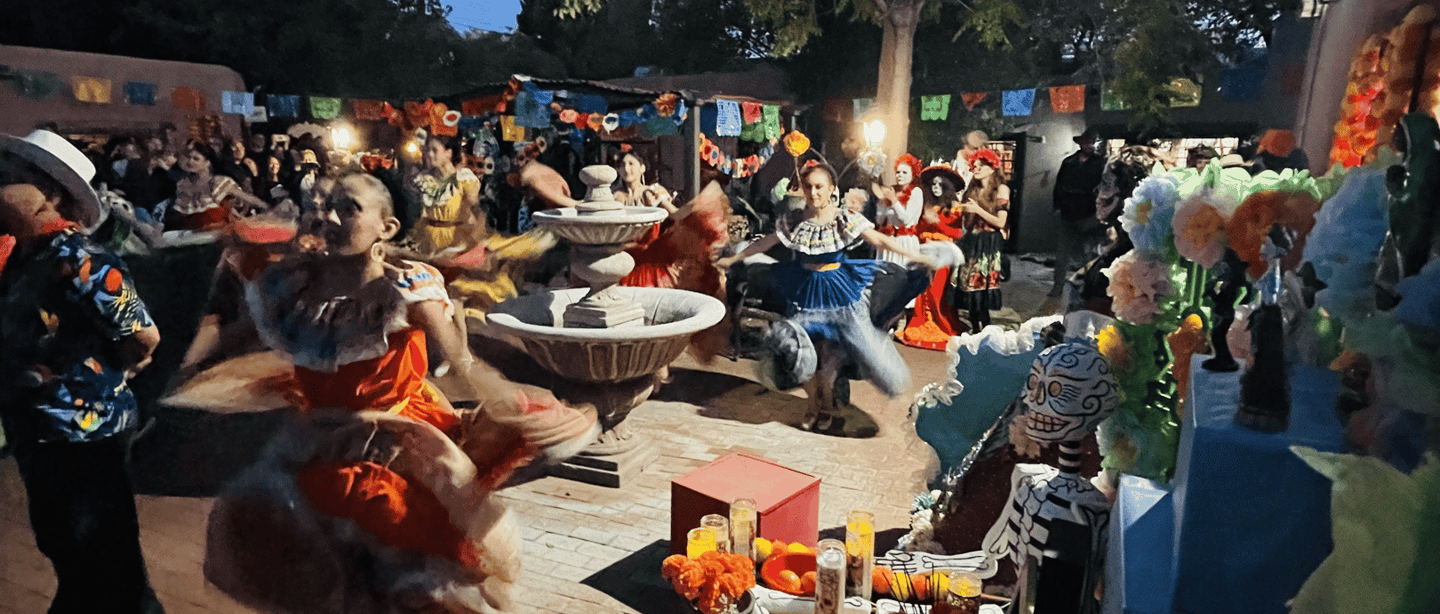
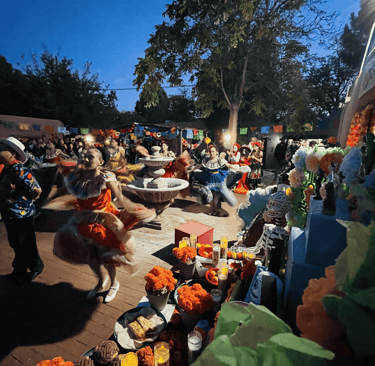
A Joyful Remembrance This syncretism transformed what could have been a somber Catholic day of mourning into a vibrant, joyful celebration. It operates on the enduring Indigenous belief that the dead would be insulted by sadness or tears, choosing instead to celebrate the vitality and joy of the lives they lived. The Modern Ofrenda: A Living Fusion Today, this dual heritage is beautifully reflected on the traditional ofrendas (altars) built inside homes to welcome visiting spirits back to the earthly realm: Indigenous Elements: Cempasúchil (Marigolds): The vibrant orange petals and strong scent are used to carve a clear path to guide spirits back home.
Copal Incense: A sacred aromatic tree resin used since antiquity to purify the air and carry prayers to the heavens.
Elements: Crucifixes & Images: The frequent placement of the cross and portraits of the Virgin of Guadalupe to invoke divine protection.
Votive Candles: Lit to represent the light of Christ guiding the souls safely through the dark on their journey
Contact
Want to Sponsor? Contact Us!
Phone 405 413 9896
cisnerosllc@usa.com
© 2026. All rights reserved.
Please leave message, if no answer. Thank You!
Support our Tour!
Buy Catrina Chingona Merch